
Introduction
Vitamin D is often called the “sunshine vitamin” because your body naturally produces it when your skin is exposed to sunlight. It plays an essential role in maintaining strong bones, healthy muscles, a well-functioning immune system, and overall health. Despite its importance, vitamin D deficiency is common worldwide and can affect people of all ages, including those who spend most of their time indoors or have limited exposure to sunlight.
One of the challenges with vitamin D deficiency is that its early symptoms are often mild and easy to overlook. Persistent fatigue, muscle weakness, body aches, or getting sick more frequently may be mistaken for stress, a busy lifestyle, or simply getting older. As a result, many people don’t realize they have a deficiency until their symptoms become more noticeable.
Recognizing the early signs of vitamin D deficiency can help you seek medical advice before the deficiency leads to more serious health problems. In this article, you’ll learn about the 10 early signs of vitamin D deficiency, its possible causes, risk factors, how it is diagnosed, available treatment options, practical prevention tips, and when it’s important to see a healthcare provider.
10 Early Warning Signs
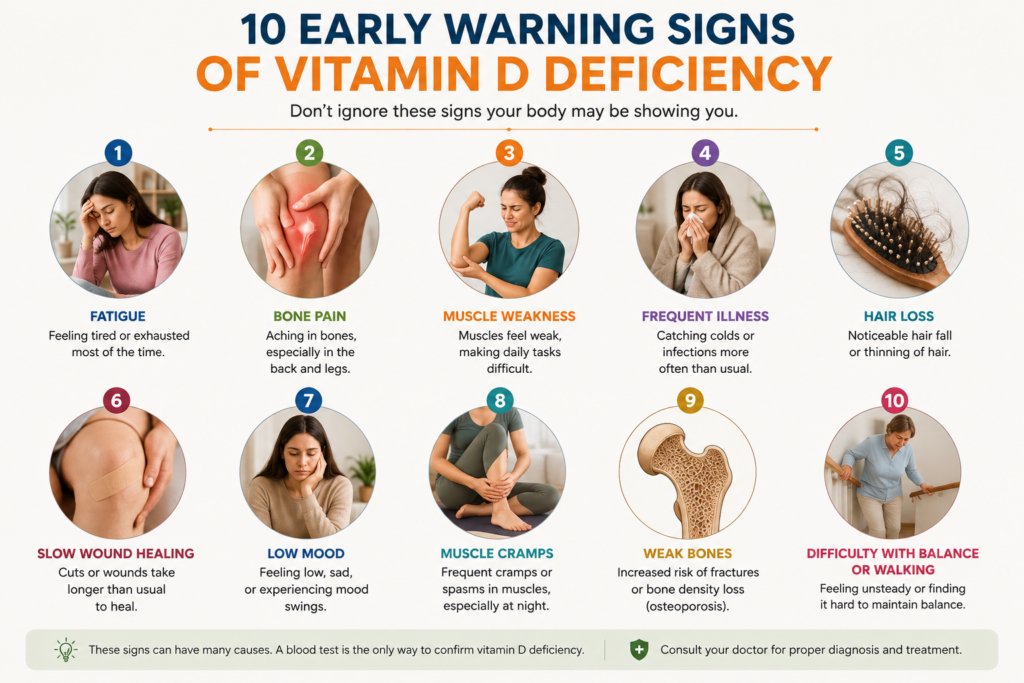
Constant Fatigue and Low Energy
Feeling tired throughout the day, even after getting enough sleep, may be an early sign of vitamin D deficiency. Vitamin D helps support normal muscle function and the immune system. While fatigue can have many causes, persistent tiredness is one reason to discuss vitamin D testing with your healthcare provider.
Bone or Lower Back Pain
Vitamin D helps your body absorb calcium, which is essential for maintaining strong, healthy bones. Low vitamin D levels may contribute to bone discomfort or aching, especially in the lower back, hips or legs. Persistent bone pain should always be evaluated by a healthcare professional.
Muscle Weakness or Muscle Aches
People with vitamin D deficiency may notice that their muscles feel weak or sore without an obvious reason. Even simple daily activities such as climbing stairs, lifting objects, or walking long distances may become more difficult than usual.
Getting Sick Frequently
Vitamin D supports normal immune function. Some people with low vitamin D levels may experience frequent infections, such as repeated colds or respiratory illnesses. However, frequent illness can have many different causes, so proper medical evaluation is important.
Slow Wound Healing
If small cuts or wounds seem to take longer than usual to heal, vitamin D deficiency may be one contributing factor. Good wound healing also depends on nutrition, blood sugar control, circulation and overall health.
Excessive Hair Loss
It is normal to lose some hair every day. However, excessive hair shedding may sometimes be associated with nutritional deficiencies, including low vitamin D levels. Hair loss can also occur due to genetics, stress, hormonal changes, thyroid disorders, iron deficiency, and certain medical conditions. If your hair loss is persistent or severe, consult a healthcare professional to identify the underlying cause.
Low Mood or Depression
Some studies have found a link between low vitamin levels and symptoms of depression, especially in people who already have a deficiency. However, depression is a complex condition with many possible causes. Vitamin D should not be considered a treatment on its own, and anyone experiencing persistent low mood should seek professional medical advice.
Weak Bones and Increased Fracture Risk
Over time, vitamin D deficiency can reduce the body’s ability to absorb calcium effectively. This may weaken bones and increase the risk of fractures, particularly in older adults. Maintaining healthy vitamin D levels, along with adequate calcium intake and regular physical activity, supports long term bone health.
Muscle Cramps
Frequent muscle cramps or spasms may occur for many reasons, including dehydration, electrolyte imbalances, or vitamin D deficiency. If muscle cramps happen regularly or interfere with daily life, a medical evaluation can help determine the cause.
Difficulty Walking or Poor Balance
Older adults with vitamin D deficiency may experience reduced muscle function, which can affect balance and make walking less steady. This may increase the risk of falls over time. Balance problems can have many causes, so it’s important to consult a healthcare provider for a proper evaluation.
What Causes Vitamin D Deficiency?
Vitamin D deficiency occurs when your body does not get enough vitamin D or cannot absorb or use it effectively. Several factors can contribute to low vitamin D levels, including:
- Limited exposure to sunlight
- Regular use of sunscreen or clothing that covers most of the skin
- A diet low in vitamin D-rich foods
- Older age, as the skin becomes less efficient at producing vitamin D
- Darker skin, which naturally produces less vitamin D from sunlight
- Certain digestive disorders that reduce nutrient absorption
- Kidney or liver diseases that affect vitamin D metabolism
Who Is at Higher Risk?
Although anyone can develop vitamin D deficiency, some people are at greater risk than others. These include:
- Older adults
- People who spend most of their time indoors
- Individuals with darker skin tones
- Pregnant and breastfeeding women, people who always cover most of their skin when outdoors
- People with obesity
- Individuals with conditions that affect nutrient absorption, such as certain intestinal disorders
- People who do not regularly consume foods containing vitamin D
How Is Vitamin D Deficiency Diagnosed?
If vitamin D deficiency is suspected, a healthcare provider will review your symptoms, medical history, and may recommend a blood test called the 25-hydroxy vitamin D [25(OH)D] test. This test measures the level of vitamin D in your blood and helps determine whether you have a deficiency. Do not start high-dose vitamin D supplements without medical advice, as excessive vitamin D can also be harmful.
Treatment for Vitamin D Deficiency
Treatment for vitamin D deficiency depends on the severity of the deficiency, your symptoms, your age, and your overall health. A healthcare provider will recommend a treatment plan based on your blood test results and individual needs. A healthcare provider may recommend a treatment plan based on the results of your blood test.
Vitamin D Supplements
The most common treatment is taking vitamin D supplements. The appropriate dosage varies from person to person. People with severe deficiency may require higher doses for a limited period, while others may only need a daily maintenance dose. Always follow your doctor’s advice, as taking too much vitamin D can be harmful.
Eat More Vitamin D-Rich Foods
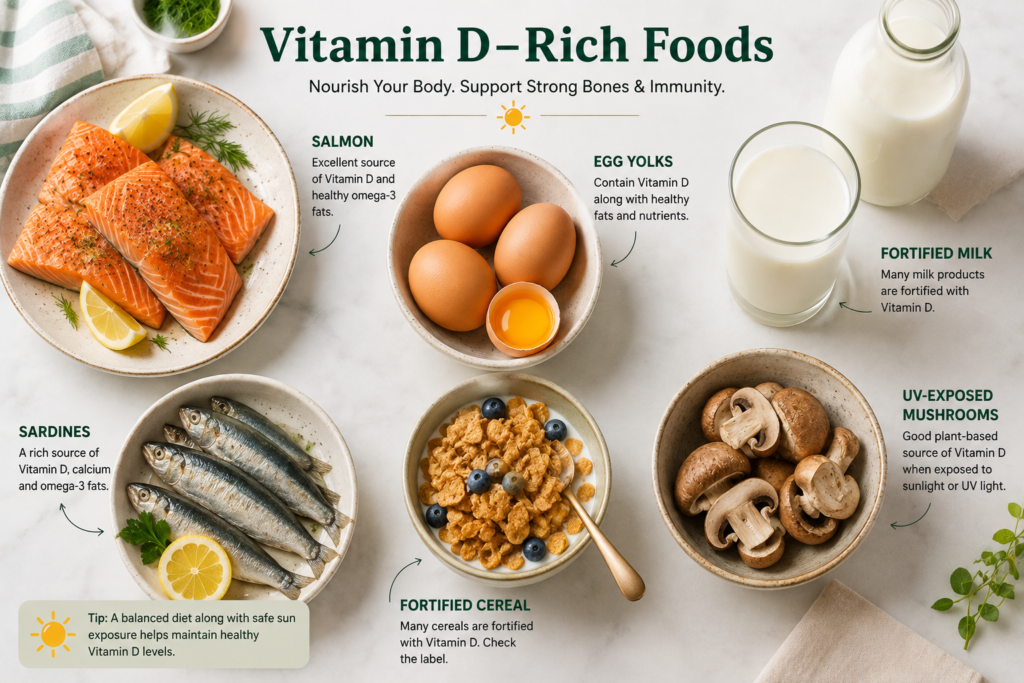
Adding vitamin D-rich foods to your diet can help improve your levels. Good sources include:
- Fatty fish such as salmon, sardines, and mackerel
- Egg yolks
- Fortified milk and plant-based milk
- Fortified breakfast cereals
- Mushrooms exposed to ultraviolet (UV) light
Although food alone usually cannot correct a severe deficiency, it plays an important role in maintaining healthy vitamin D levels.
Get Safe Sun Exposure
Your body naturally produces vitamin D when your skin is exposed to sunlight. Regular, safe exposure to sunlight can help your body produce vitamin D naturally. However, the amount of sunlight needed depends on factors such as your skin tone, location, season, time of day, age, and sunscreen use. Avoid prolonged sun exposure that could increase the risk of sunburn or skin damage.
Treat Underlying Health Conditions
Some medical conditions, such as digestive disorders, kidney disease, or liver disease, can reduce your body’s ability to absorb or use vitamin D. In these cases, treating the underlying condition is an important part of managing vitamin D deficiency.
Short Reminder
Recovery from vitamin D deficiency takes time. Some people begin to notice an improvement in symptoms within a few weeks of starting treatment, while for others it may take several months, depending on the severity of the deficiency and individual health factors. Continue taking supplements only as directed by your healthcare provider, even if you start feeling better.
Important Note
Do not start high-dose vitamin D supplements without medical advice. Taking excessive amounts of vitamin D supplements can lead to serious health problems, including high calcium levels, kidney stones, and kidney damage. A healthcare provider can recommend the right dose based on your individual needs.
How to Prevent Vitamin D Deficiency?
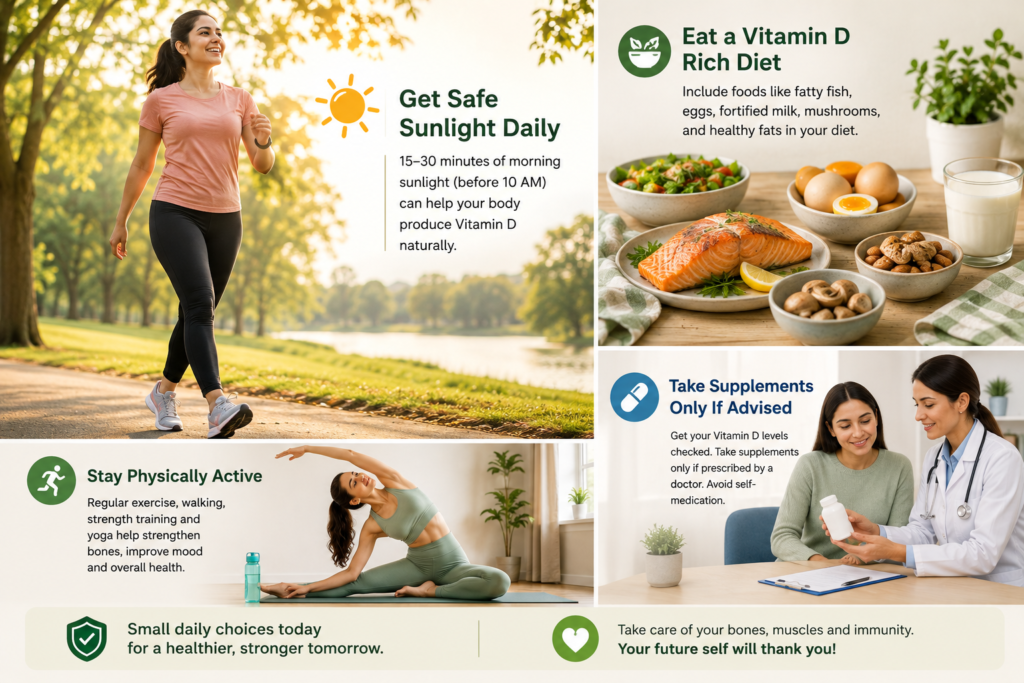
In many cases, vitamin D deficiency can be prevented by maintaining healthy lifestyle and dietary habits. These simple steps can help support healthy vitamin D levels and overall well-being.
Spend Time in Sunlight Safely
Regular exposure to sunlight helps your body produce vitamin D naturally. Try to spend some time outdoors several days a week, preferably during daylight hours. The exact amount of sun exposure needed varies depending on your skin tone, age, geographic location, season, and weather. Avoid staying in the sun long enough to cause sunburn. People with a history of skin cancer or other skin conditions should follow their healthcare provider’s advice regarding sun exposure.
Include Vitamin D-Rich Foods in Your Diet
Including foods that naturally contain vitamin D, as well as fortified foods, can help maintain healthy vitamin D levels. Good choices include:
- Fatty fish such as salmon, tuna, sardines, and mackerel
- Egg yolks
- Fortified milk and plant-based beverages
- Fortified breakfast cereals
- UV-exposed mushrooms
A balanced diet also supports the absorption and proper use of essential nutrients.
Stay Physically Active
Regular physical activity supports bone strength, muscle function, and overall health. While exercise does not directly increase vitamin D levels, it helps keep your bones strong and may reduce the risk of falls and fractures, especially in older adults.
Take Supplements Only If Needed
Some people, such as older adults, individuals with limited sun exposure, people with darker skin, or those with certain medical conditions that affect vitamin D absorption or metabolism, may need vitamin D supplements. Always take supplements as recommended by a healthcare professional and avoid exceeding the prescribed dose.
Get Tested If You’re at Higher Risk
If you have risk factors for vitamin D deficiency or experience recurring symptoms, ask your healthcare provider whether a 25-hydroxy vitamin D [25(OH)D] blood test is appropriate. Early detection can help prevent complications and allow treatment before symptoms become severe.
Key Takeaway
Maintaining healthy vitamin D levels involves a combination of safe sun exposure, a nutritious diet, regular physical activity, and medical guidance when necessary. Maintaining healthy vitamin D levels doesn’t usually depend on one big change. Safe sun exposure, a balanced diet, regular physical activity, and medical guidance when needed can all contribute to long-term bone, muscle, and immune health.
When to See a Doctor
Vitamin D deficiency often develops gradually, and its symptoms can be mild or mistaken for other health conditions. However, if your symptoms persist, worsen, or begin to interfere with your daily activities, it’s important to seek medical advice.
You should consider seeing a healthcare provider if you:
- Experience ongoing fatigue or low energy that does not improve with adequate rest.
- Have persistent bone pain, muscle weakness, or frequent muscle aches.
- Notice recurring back pain or joint discomfort without an obvious cause.
- Suffer from frequent illnesses or infections that take longer than usual to recover from.
- Have difficulty walking, climbing stairs, getting up from a chair, or performing everyday activities because of muscle weakness.
- Have a history of osteoporosis, frequent fractures, or falls.
- Have a medical condition that affects vitamin D absorption, such as celiac disease, Crohn’s disease, or certain liver or kidney disorders.
- Are pregnant, breastfeeding, an older adult, or have limited sun exposure and are concerned about your vitamin D levels.
A healthcare provider may recommend a 25-hydroxy vitamin D [25(OH)D] blood test to measure your vitamin D levels and determine whether treatment is needed. They may also evaluate other possible causes of your symptoms, as fatigue, muscle pain, and low mood can result from many different health conditions.
Don’t Ignore Persistent Symptoms
While vitamin D deficiency is common and often treatable, delaying diagnosis may increase the risk of complications such as weakened bones, muscle weakness, and a higher risk of falls and fractures. Seeking medical advice early can help identify the cause of your symptoms, ensure you receive appropriate treatment, and reduce the risk of long-term complications.
Frequently Asked Questions (FAQs)
What are the first signs of vitamin D deficiency?
Early signs of vitamin D deficiency may include fatigue, muscle weakness, bone pain, low mood, frequent illness, slow wound healing, hair thinning, and back pain. These symptoms can also have other causes, so a blood test is needed to confirm a deficiency.
How do I know if I have a vitamin D deficiency?
The only way to confirm vitamin D deficiency is through a 25-hydroxy vitamin D [25(OH)D] blood test. Your healthcare provider can interpret the results and recommend treatment if necessary.
How long does it take to recover from vitamin D deficiency?
Recovery time varies depending on the severity of the deficiency, the treatment plan, and individual health factors. Many people begin to notice an improvement in symptoms within a few weeks to a few months after starting appropriate treatment, but it may take longer for vitamin D levels to return to the normal range.
Can I get enough vitamin D from sunlight alone?
For some people, regular sun exposure may provide enough vitamin D. However, factors such as skin tone, age, season, geographic location, air pollution, clothing, sunscreen use, and time spent outdoors all affect how much vitamin D your body produces. Some individuals may still need dietary sources or supplements.
Which foods are rich in vitamin D?
Some of the best dietary sources of vitamin D include:
- Fatty fish such as salmon, mackerel, sardines, and tuna
- Egg yolks
- Fortified milk and plant-based beverages
- Fortified breakfast cereals
- UV-exposed mushrooms
Can taking too much vitamin D be harmful?
Yes. Taking excessive amounts of vitamin D supplements can cause vitamin D toxicity, which may lead to high calcium levels, nausea, vomiting, confusion, kidney stones, and kidney damage. Always take vitamin D supplements according to your healthcare provider’s advice or the instructions on the product label unless directed otherwise.
Who is most at risk of vitamin D deficiency?
People at higher risk include older adults, individuals with darker skin, people who spend little time outdoors, those who always cover their skin, people with obesity, and individuals with conditions that affect nutrient absorption, such as celiac disease or Crohn’s disease.
Can vitamin D deficiency cause hair loss?
Some studies suggest an association between low vitamin D levels and certain types of hair loss, but the relationship is not fully understood. Hair loss has many possible causes, so it is important to consult a healthcare provider for an accurate diagnosis.
Can vitamin D deficiency affect mental health?
Low vitamin D levels have been associated with symptoms such as low mood in some people. However, mental health conditions are complex and can have many contributing factors. If you experience persistent mood changes, seek advice from a qualified healthcare professional.
Can vitamin D deficiency be prevented?
Yes. In many cases, vitamin D deficiency can be prevented by getting safe sun exposure, eating vitamin D-rich foods, maintaining a healthy lifestyle, and taking supplements when recommended by a healthcare provider.
Medical Disclaimer: This article is for educational purposes only and should not be considered medical advice. Always consult a qualified healthcare professional for diagnosis and treatment.
Conclusion
Vitamin D is essential for maintaining strong bones, healthy muscles, a well-functioning immune system, and overall health. Because the symptoms of vitamin D deficiency often develop gradually, they can be easy to overlook or mistake for other health conditions. Recognizing the early warning signs—such as persistent fatigue, muscle weakness, bone pain, frequent illness, and slow wound healing—can help you seek medical advice before the deficiency leads to more serious complications.
If you think you may have low vitamin D levels, don’t rely on symptoms alone. A 25-hydroxy vitamin D [25(OH)D] blood test is the most reliable way to confirm a deficiency. With the right treatment, which may include dietary changes, safe sun exposure, and vitamin D supplements prescribed by a healthcare provider, most people can restore healthy vitamin D levels and improve their overall well-being.
Maintaining healthy vitamin D levels is an important part of long-term health. By following healthy lifestyle habits and seeking medical advice when needed, you can reduce your risk of deficiency and support stronger bones, better muscle function, and a healthier immune system.
If you found this article helpful, consider sharing it with your friends and family to raise awareness about the early signs of vitamin D deficiency. For personalized advice, diagnosis, or treatment, consult a qualified healthcare professional.